

Why Do Supermarket Shelves Peel Within Months? The Importance of Metal Pretreatment Before Powder Coating
Paint peeling on supermarket shelving is more than a cosmetic problem. It can affect the appearance of a retail store, increase maintenance work, and create concerns about the long-term quality of the fixtures. When coating begins to detach after only a few months of use, buyers should look beyond the visible damage and examine the manufacturing and surface-treatment process.
For retail chains, distributors, and supermarket equipment importers, one important question is often overlooked: how was the metal surface prepared before powder coating? Metal pretreatment is an important part of a coating system because surface cleanliness and preparation can influence coating adhesion and durability.
In this article, Shanghai Xingye Shelf Co., Ltd. explains a real-world shelving quality concern, the possible factors behind coating failure, and the pretreatment process used in its shelving production.
1. A Real-World Quality Concern: Paint Peeling on Retail Shelving
In a customer-related case, supermarket shelving supplied by another manufacturer showed visible coating peeling. The customer contacted XINGYE because they wanted to reduce the risk of encountering similar quality problems in a future purchase.
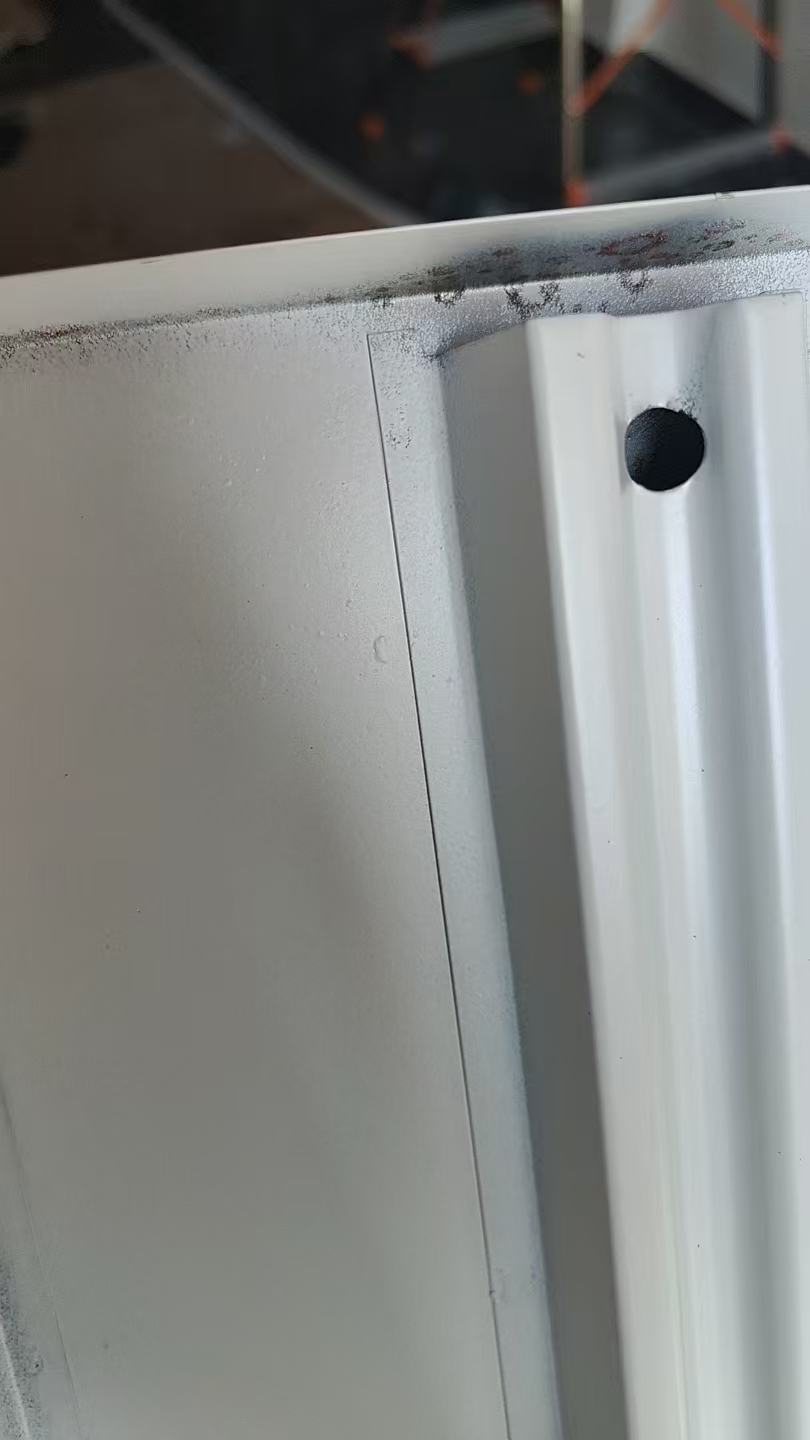
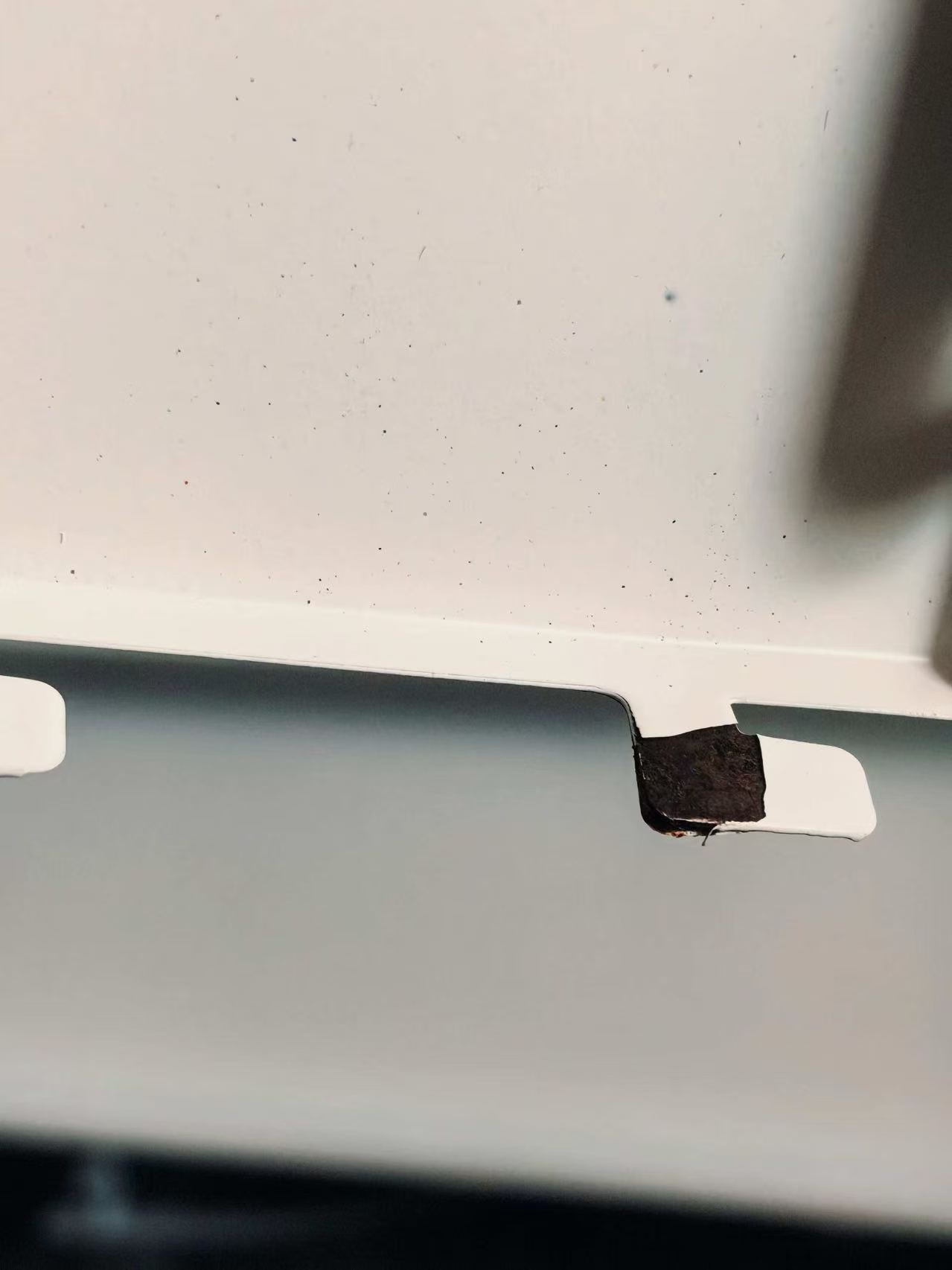
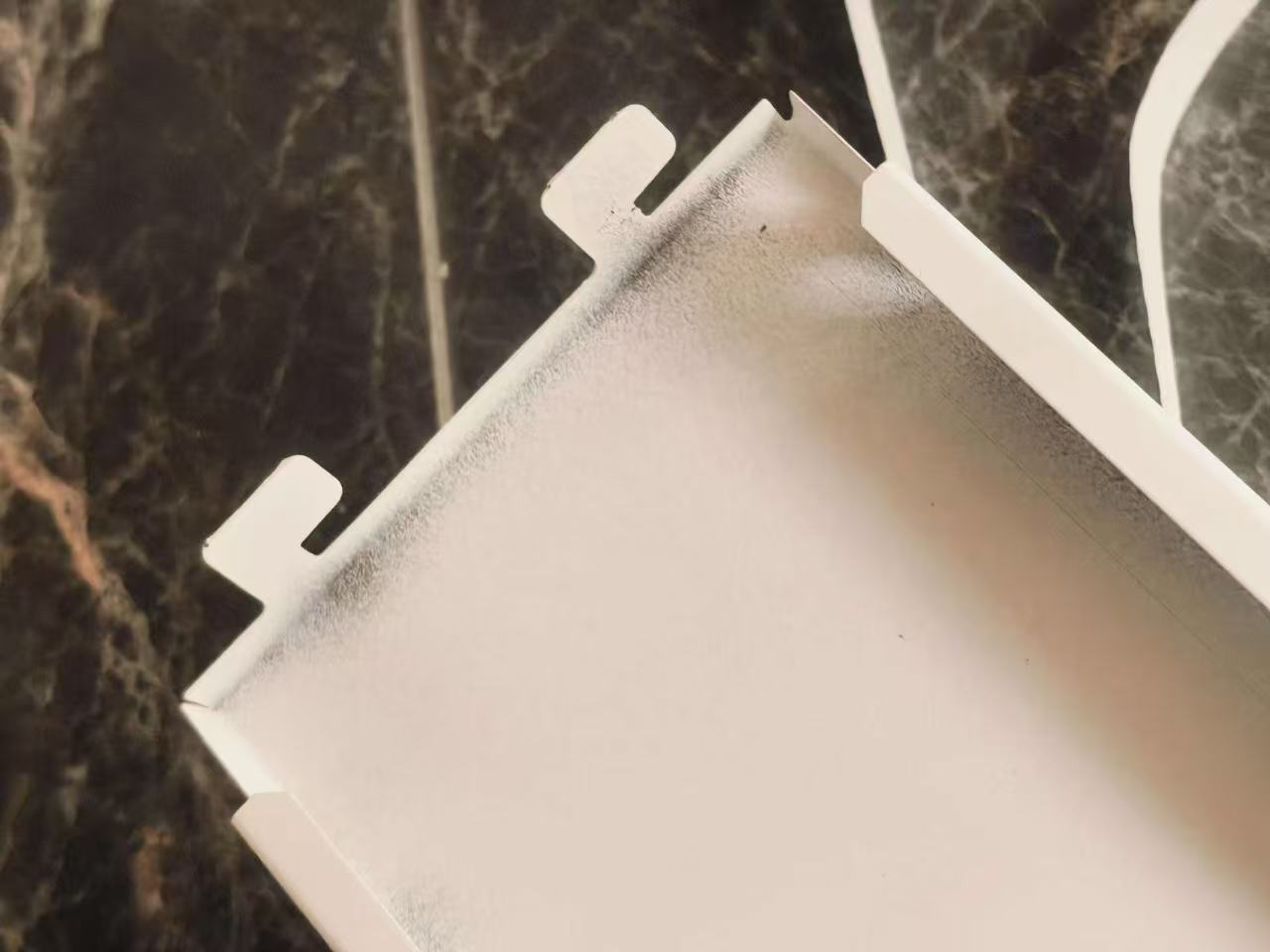
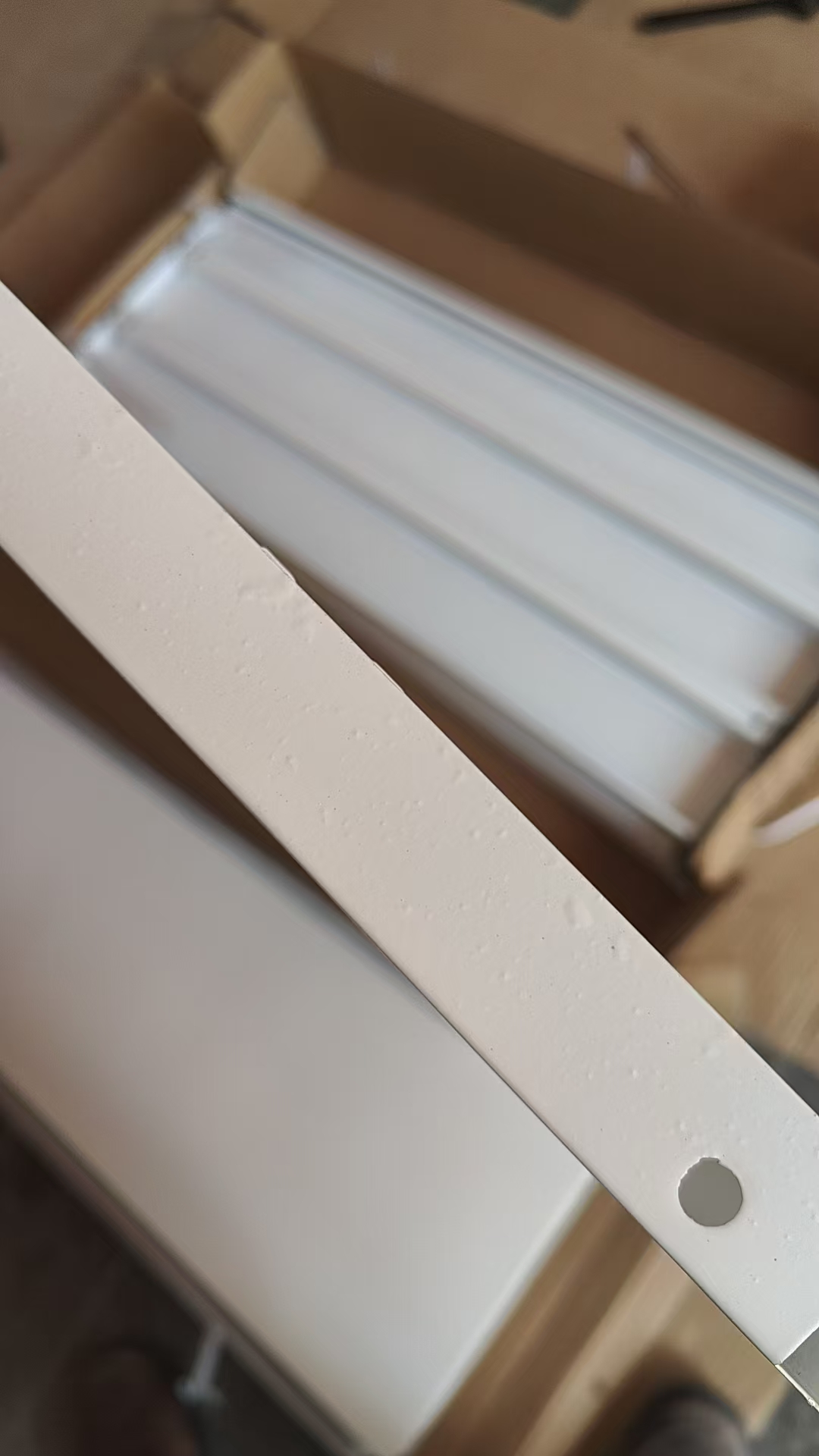
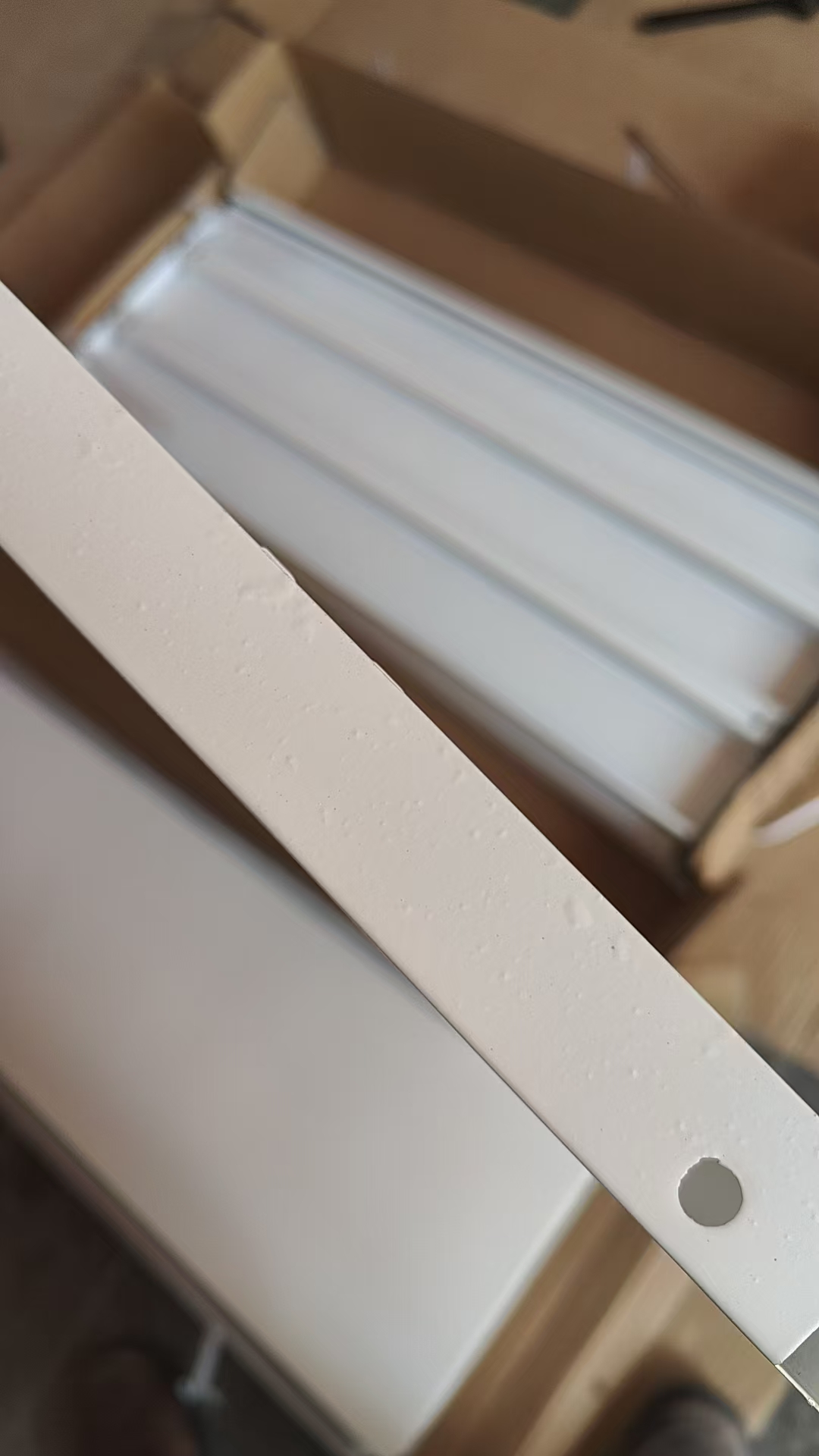
When XINGYE's technical staff reviewed the reported condition, they considered inadequate metal pretreatment before powder coating as one possible explanation. However, photographs alone cannot confirm whether another manufacturer skipped a specific treatment stage. Confirming the cause would require further investigation and, where appropriate, testing.
2. Why Metal Pretreatment Matters Before Powder Coating
Powder coating is widely used on metal shelving because it can provide a uniform finish and a protective surface. However, the quality of the finished coating depends on more than the powder itself.
Before coating, the metal surface needs to be prepared appropriately. Oil, grease, dust, residues, and other contaminants can interfere with the coating process. Depending on the metal substrate and the specified treatment system, surface conditioning and conversion treatment can also help prepare the surface for coating.
Surface cleanliness
Oils and other contaminants left from metal processing or handling may interfere with coating adhesion. Degreasing and the associated rinsing stages help remove contaminants before subsequent treatment.
Surface conditioning and phosphating
Surface conditioning and phosphating serve different purposes within a pretreatment system. Phosphating is a conversion treatment that can help create a suitable surface for a coating system when the chemistry and process are correctly selected and controlled.
Phosphating should not be described as identical to acid pickling. Acid pickling is a separate type of surface treatment, and whether it is required depends on the substrate, surface condition, and specified manufacturing process.
Rinsing and drying
Rinsing between treatment stages helps remove residual chemicals and contaminants. Proper drying before powder coating is also important because moisture or residues may affect the finished surface. Actual requirements depend on the selected pretreatment chemistry and production specifications.
Powder application and curing
Even when the surface has been prepared properly, coating quality can still be affected by powder application, film thickness, curing temperature, curing time, and handling after coating. Pretreatment is one part of an overall quality-control system, not a substitute for controlling the remaining stages.
3. XINGYE's Metal Pretreatment Process for Shelving
At Shanghai Xingye Shelf Co., Ltd., the reported pretreatment sequence before powder coating includes washing, degreasing, surface conditioning, phosphating, and drying. These stages are followed by powder coating and packaging.
- Water washing — the first washing stage in the process.
- Degreasing — treatment intended to remove oil and grease from the metal surface.
- Water washing — rinsing after degreasing.
- Surface conditioning — preparation for the subsequent conversion treatment.
- Water washing — the next rinsing stage.
- Phosphating — conversion treatment to prepare the metal surface for the coating system.
- Drying — preparation of the treated surface before coating.
- Powder coating — application of the specified powder coating.
- Packaging — packing the finished shelving components for delivery.
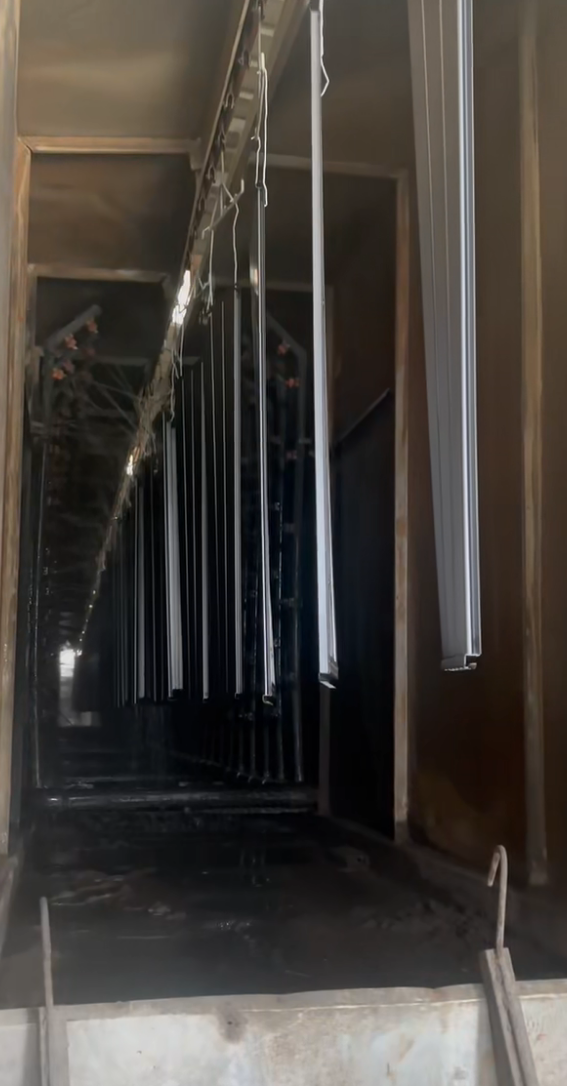
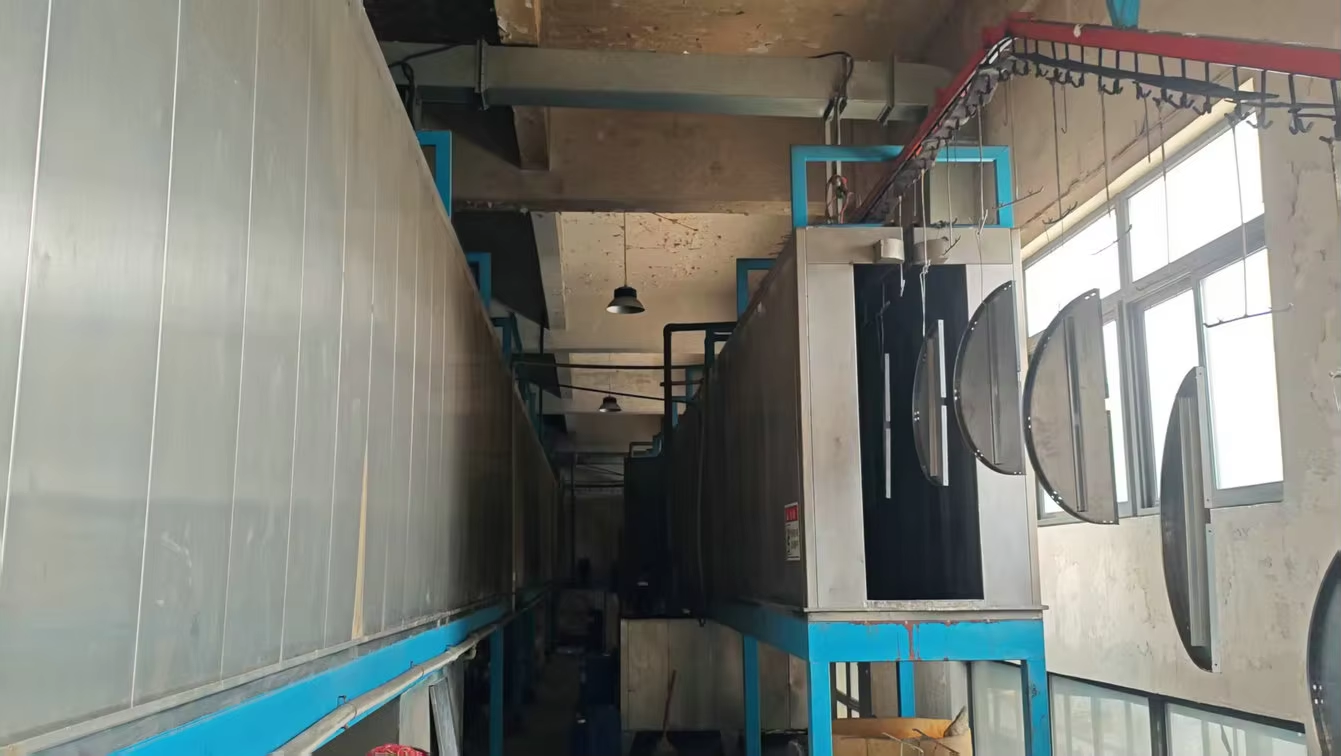
The purpose of this sequence is to prepare the metal surface for the subsequent coating operation. To achieve consistent results, pretreatment chemistry, process conditions, rinsing, drying, powder application, and curing need to be controlled according to the applicable production requirements.
4. What Buyers Should Check When Evaluating Shelf Coating Quality
When sourcing supermarket shelving from a manufacturer, buyers should ask questions that reveal how the factory manages coating quality. A description such as "high-quality powder coating" is not enough on its own.
| Inspection area | Questions for the manufacturer | Useful evidence |
|---|---|---|
| Surface cleaning | How are oil, grease, dust, and other contaminants removed before coating? | Process description and production inspection records. |
| Pretreatment | Which pretreatment stages are used for the specified metal and coating system? | Process flow, chemical-control records, and applicable work instructions. |
| Rinsing and drying | How are rinsing and drying controlled before powder application? | Relevant process monitoring and inspection records. |
| Powder coating | How are coating application and film thickness checked? | Coating inspection records and measurement results. |
| Curing | How are the specified curing conditions maintained? | Applicable oven or process monitoring records. |
| Adhesion and durability | Which tests are appropriate for the product and intended environment? | Relevant test reports, methods, and acceptance criteria. |
| Final inspection | How are coating defects identified before packing? | Quality-control procedures and inspection records. |
Buyers should also clarify the intended use of the shelving, expected handling conditions, cleaning methods, and environmental exposure. These factors help determine which coating specifications and tests are appropriate.
5. How to Investigate Paint Peeling on Existing Shelving
If coating begins to peel after installation, the best next step is to document the problem and investigate the process rather than immediately attribute it to one cause.
- Record when the peeling first appeared and how long the shelving had been in service.
- Photograph the affected areas, including close-ups and wider views showing where the damage occurs.
- Check whether the damage is concentrated around edges, joints, impact points, or particular environmental exposure areas.
- Review available manufacturing, pretreatment, coating, curing, and inspection records.
- Where necessary, arrange suitable coating adhesion or other laboratory testing using an agreed method.
- Compare the findings with the product specification, the intended operating environment, and the manufacturer's acceptance criteria.
These steps can help distinguish between potential surface-preparation issues, coating-process problems, mechanical damage, and other contributing factors. The correct corrective action should follow the evidence collected.
6. Why Manufacturing Process Transparency Matters
For importers, distributors, and retail chains, supplier selection should consider not only the appearance and price of the finished shelf but also the manufacturing process behind it.
A reliable supplier should be able to explain its pretreatment sequence, describe how coating quality is monitored, and provide relevant documentation when requested. Process transparency helps buyers evaluate whether the manufacturer's production controls match the requirements of their project.
Shanghai Xingye Shelf Co., Ltd. manufactures retail shelving and related store fixtures. Its production process includes metal pretreatment before powder coating, followed by packaging of finished components. Buyers can discuss product requirements, project applications, and available quality documentation directly with the company.
7. Frequently Asked Questions
Why does powder coating peel off supermarket shelves?
Possible causes include inadequate surface cleaning or pretreatment, contamination, unsuitable coating application, incorrect curing conditions, mechanical damage, and environmental exposure. The exact cause should be established through inspection and appropriate testing.
Does metal pretreatment improve powder coating adhesion?
Properly selected and controlled metal pretreatment can help prepare a suitable surface for powder coating and support adhesion. Results also depend on the coating system, application conditions, curing, and service environment.
Is phosphating the same as acid pickling?
No. Phosphating is a conversion treatment, while acid pickling is a different surface-treatment process. The appropriate process depends on the metal substrate, surface condition, and specified coating system.
What pretreatment process does XINGYE use before powder coating?
XINGYE's stated process sequence is water washing, degreasing, water washing, surface conditioning, water washing, phosphating, and drying, followed by powder coating and packaging.
How can buyers verify the coating quality of supermarket shelving?
Buyers can request the applicable process description, coating inspection records, film-thickness measurements, and relevant adhesion or durability test reports. The test method and acceptance criteria should be appropriate to the product and its intended use.
Can photographs alone confirm why a shelf's paint peeled?
No. Photographs can document visible damage and help guide an initial review, but they cannot independently establish whether pretreatment was omitted or identify every possible cause. Additional inspection and testing may be necessary.
Looking for a Retail Shelving Manufacturer?
If you are sourcing supermarket shelving, gondola shelving, or retail display fixtures, discuss your project requirements and coating-quality expectations with Shanghai Xingye Shelf Co., Ltd.
Share your product specifications, store layout, target market, and quality requirements so the appropriate shelving solution and supporting documentation can be discussed.
Contact XINGYE